
A strong remodel shows up in communication, organization, and clear approvals long before the finishes are installed.
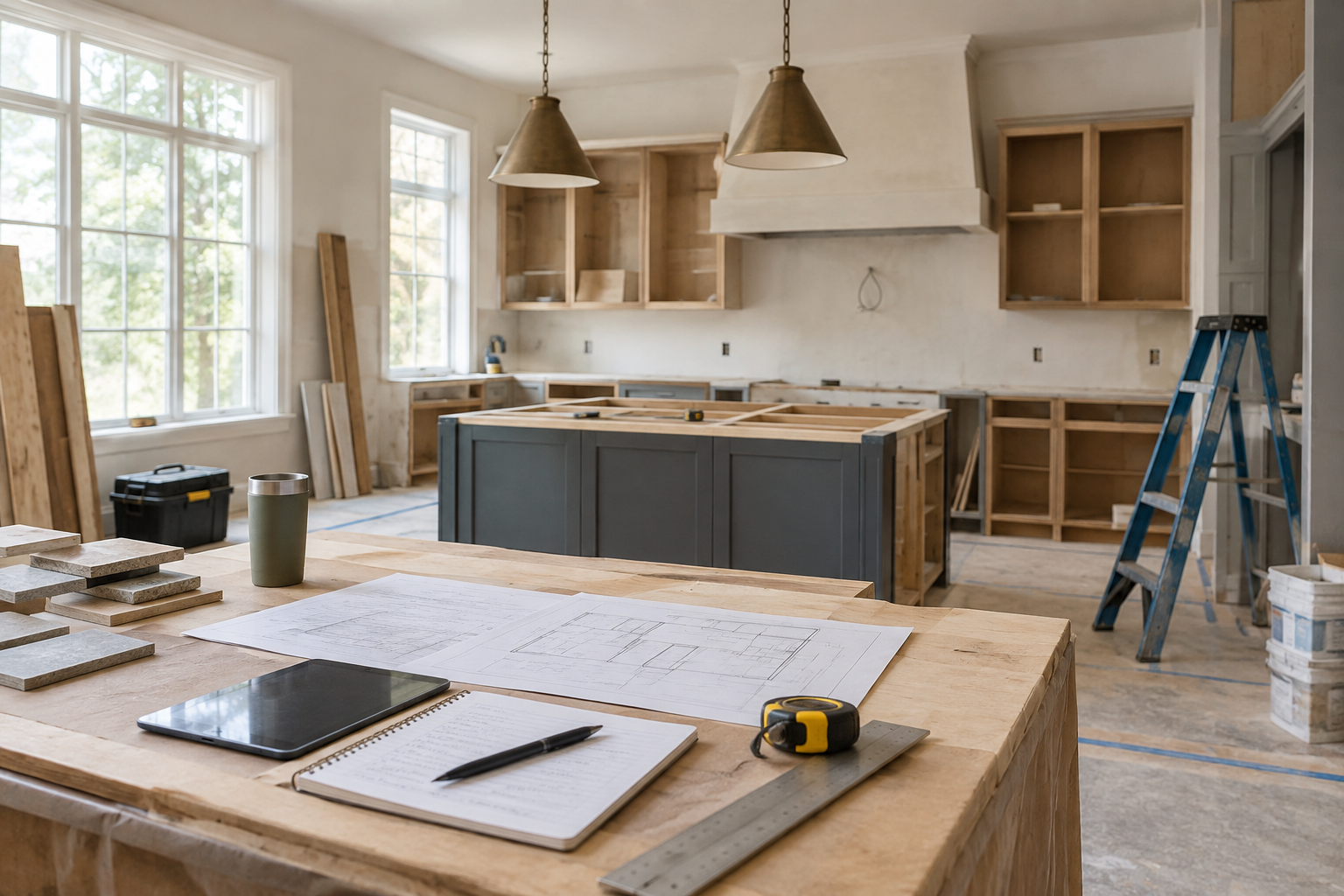
A well-run remodel is usually obvious before the cabinets arrive: decisions are documented, the schedule is visible, questions go to the right person, and the jobsite stays orderly enough that progress can actually happen. For homeowners planning a kitchen or bath project in Franklin, Williamson County, or the surrounding Middle Tennessee area, that standard matters as much as the final tile, paint, or hardware. Current Qualified Remodeler coverage of the 2026 customer satisfaction report says the spotlight is on jobsite management and digital communication, and that “Professional & Organized” was the service trait most closely tied to satisfaction, followed by expertise. That aligns with a simple truth homeowners can use: the quality of the experience starts with how the project is run, not just how it looks at the end.
Start with named responsibility, not shared assumptions
One of the clearest signs of a well-run remodel is that everyone knows who is responsible for what. The homeowner should know who makes selections, who approves changes, who answers schedule questions, and who handles field issues when they come up. Without that structure, even a well-designed kitchen or bath can get stuck in a cycle of confusion: one person thinks an item was approved, another thinks it is still pending, and the crew is waiting on a decision.
In practice, this means the project should have a clear point of contact and a clear path for escalation. If a selection needs to be confirmed, there should be a documented owner. If a hidden condition appears after demo, there should be a defined way to review the issue and decide how to proceed. Winstead’s commentary in Qualified Remodeler reinforces this kind of structure by recommending documented standards, repeatable processes, and assigning responsibility. For homeowners, that translates into fewer surprises and less time spent chasing answers.
Treat updates as part of the job, not an extra courtesy
Homeowners do not need constant noise, but they do need reliable updates. A remodel runs more smoothly when communication is scheduled rather than improvised. That can mean a standing weekly check-in, a shared summary after key milestones, or a quick update when something affects timing or scope. The point is not to flood the homeowner with messages. The point is to make sure nobody has to guess about what is happening next.
This is especially important in kitchen and bath work, where several trades depend on one another. If the tile layout changes, the cabinet timing may shift. If plumbing is adjusted, a later finish may need to be revised. Good communication prevents small changes from turning into major friction. The 2026 Qualified Remodeler report’s focus on digital communication fits that reality: homeowners need a dependable record of what was discussed, what was decided, and what is still open. A good system makes it easy to look back and verify the plan.
Document selections and changes before work moves forward
A remodel always involves choices, and the most stressful projects are the ones where those choices live only in memory or in scattered texts. A more reliable approach is to document selections, approvals, and changes in one shared place. That record should be easy to understand and easy to revisit. It should show what was selected, when it was approved, and whether the selection affects timing, cost, or installation details.
This matters because even small changes can ripple through a project. Swapping a faucet, changing a tile pattern, or revising cabinet hardware may sound simple, but each change can affect ordering, labor, or sequencing. A documented process protects both the homeowner and the remodel team. It reduces the chance that a later conversation will rely on different recollections of the same decision. Winstead’s emphasis on checklists and documented expectations fits here as practical guidance: recurring items are easier to manage when they are written down and reviewed the same way each time.
Keep the jobsite orderly enough to support the schedule
A tidy jobsite is more than a nice-looking work area. It is often a signal that the project is being managed with care. Materials have a place, pathways are clear, and the crew can work without unnecessary delays caused by missing parts or avoidable clutter. For homeowners, that order can be reassuring, but it also has practical value. A cleaner site is easier to inspect, easier to coordinate, and less likely to create avoidable mistakes.
That does not mean every remodel looks calm from start to finish. Demolition is messy by nature, and active construction will always have some degree of disruption. But even in the middle of a project, there should be visible control. Tools should not be scattered without purpose. Materials should not sit untracked for days. Dust protection, access routes, and daily cleanup expectations should be clear. In the customer satisfaction report highlighted by Qualified Remodeler and GuildQuality, organization was tied closely to satisfaction because clients experience it as competence. Homeowners may never see every behind-the-scenes task, but they absolutely feel the difference when a jobsite is run with discipline.
Use a shared record to handle problems early, not after they grow
Every remodel encounters issues. The difference between a smooth project and a difficult one is often how quickly the team identifies a problem, communicates it, and agrees on next steps. A shared record of schedule updates, approvals, and open questions makes that process much easier. It creates one version of the truth, which is especially helpful when multiple people are involved in a kitchen or bath renovation.
For homeowners, this is where digital communication can be a real advantage if it is used well. A message thread or project log can help confirm what was discussed, what remains pending, and what has been approved. The goal is not bureaucracy. It is clarity. If a date shifts, if a material is delayed, or if a field condition requires a change, the team should be able to explain it clearly and document the response. That kind of follow-through is consistent with the recommendations in the Qualified Remodeler commentary about standard meetings, dashboards, and responsibility. In a remodeling context, those tools are useful because they make problems visible while there is still time to respond constructively.
What homeowners should expect from a premium remodel partner
A premium remodel is not defined only by design taste or the final finishes. It is also defined by the systems that support the work: clear ownership, scheduled communication, documented decisions, jobsite discipline, and a reliable way to escalate issues. When those pieces are in place, the project feels more predictable and less reactive. That does not eliminate all change, but it makes change manageable.
For homeowners in Franklin and throughout Williamson County, that standard is worth asking about before construction begins. Ask who your day-to-day contact will be. Ask how updates are shared. Ask where selections and approvals are recorded. Ask how change requests are documented and how field issues are handled. A contractor who has thought through those questions is usually prepared to run the project with greater consistency. And in a kitchen or bath remodel, consistency is what helps the work move forward with less stress and fewer misunderstandings.
Brick & Beam Homes approaches remodeling with that same homeowner-first mindset. If you are planning a kitchen or bath renovation and want a process that is organized, responsive, and clear from the start, we would be glad to talk.
A beautiful remodel should never depend on guesswork. Before the cabinets arrive, the real test is whether the project already has the organization, communication, and documentation needed to support the work. If you are planning a remodeling project in Franklin or Middle Tennessee and want a team that values that level of clarity, contact Brick & Beam Homes to start the conversation.